
Spinal Decompression in McKinney
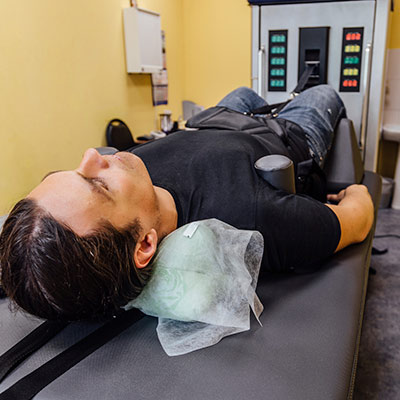 When a disc is irritated or worn down, it can feel like your spine is carrying a heavy backpack you can’t take off. Pain may stay in the back or neck, or it may travel into the arm or leg. Spinal decompression is a non-surgical option designed to relieve spinal pressure, allowing disc and nerve irritation to settle so you can move with less frustration.
How the Decompression Process Works
Using a computerized traction table, this therapy gently stretches and releases the spine in controlled cycles. The “pull, then rest” pattern can reduce pressure within the disc space and ease tension around nearby nerves. It may also encourage better circulation and fluid exchange in the area, which is important when the goal is calmer tissues and steadier movement, not just a temporary break from symptoms.
Who This Service May Be a Good Fit For
Spinal decompression is often considered when disc-related issues are part of the story, especially if pain includes tingling, numbness, or radiating sensations. It may be recommended for concerns such as:
- Disc bulges or herniations
- Sciatica and radiating leg pain
- Neck and arm pain
- Spinal stenosis
- Degenerative disc disease
- Chronic lower back pain

Why Patients Choose Decompression Care
Decompression care is gentle and measured, appealing to people who prefer a conservative approach before exploring more invasive options. Over a series of visits, decompression may help reduce disc pressure, ease nerve irritation, and improve day-to-day mobility. Think of it like creating a little breathing room inside the spine, then building on that progress visit by visit.
What to Expect at Your Appointment
Your visit begins with an evaluation to determine whether decompression is appropriate for your needs. Many clinics use a Surface EMG scan to assess nerve activity and muscle tension patterns, which may help guide care decisions without relying on X-rays. If therapy is recommended, sessions are comfortable and closely monitored. Many people describe the experience as relaxing, more like a guided stretch than a medical procedure.
A Diverse Background
Dr. Allam has provided spinal decompression care for nearly 20 years, with a focus on disc-related and degenerative spinal conditions. He completed a 100-hour certification program in decompression therapy and commonly works with disc bulges, herniations, stenosis, and degenerative disc disease in both the neck and lower back. His approach is personalized and goal-based, built around restoring function to get patients back to work, workouts, and weekend plans with fewer limitations.
Frequently Asked Questions
Who is this therapy commonly recommended for?
Will I receive treatment on my first visit?
Ready to See if Decompression Is Right for You?
Contact us today to book your first appointment.
CONTACT US
